Christian Anderson: A Handwritten Font for Elegant Web Design
As a web designer, I'm always on the lookout for fonts that can add a unique and elegant touch to my projects. Recently, I had the opportunity to test Christian Anderson, a lovely and timeless handwritten font, in a real website layout. The results were nothing short of impressive.
The Visual Charm of Christian Anderson
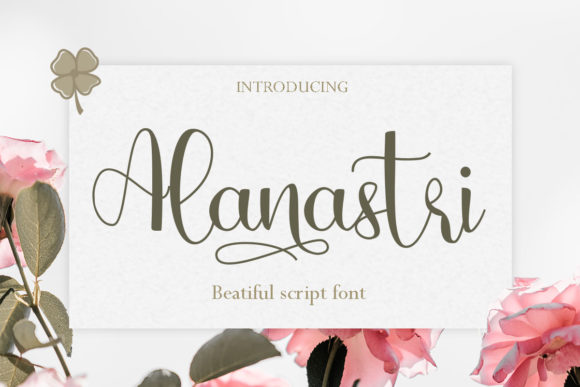
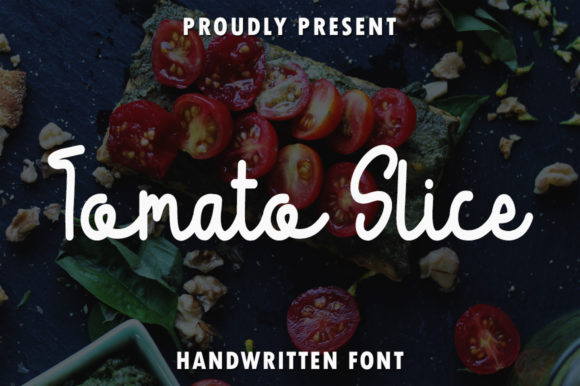
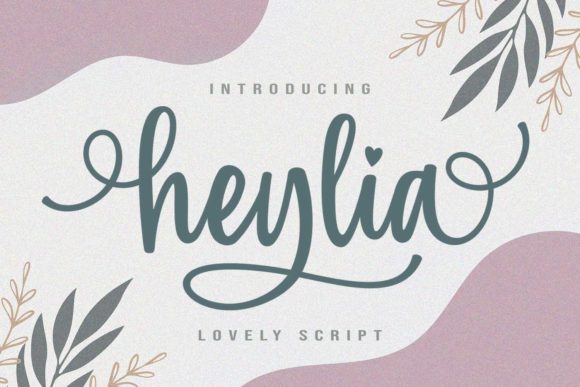
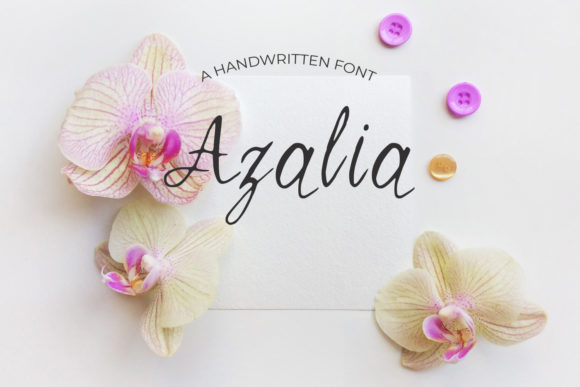
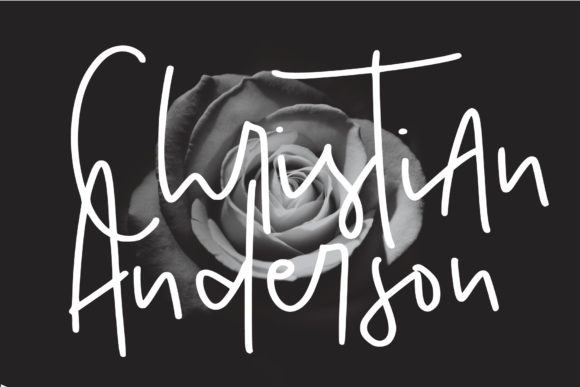
Christian Anderson is a premium font that exudes a sense of sophistication and charm. Its handwritten style is both modern and classic, making it a versatile choice for a wide range of digital designs. Every letter has a unique and beautiful touch, which adds a personal and artistic feel to any project.
When I first used Christian Anderson in a hero section, it immediately caught the eye with its graceful curves and natural flow. The font's personality is warm and inviting, perfect for creating an engaging and memorable user experience.
Performance in Web Layouts
One of the key aspects of using a decorative font like Christian Anderson is how it performs in various web layouts. I tested it in several areas, including the hero section, call-to-action buttons, and section headings. Here’s what I found:
- Hero Section: In a hero section, Christian Anderson stands out beautifully. It works well over image banners and solid backgrounds, adding a touch of elegance and drawing the user's attention. The font size and line height are crucial here; I found that a larger size (around 48-60px) with ample line height (1.2-1.5) worked best for readability and impact.
- Call-to-Action Buttons: For CTA buttons, I used Christian Anderson sparingly. While it can be effective for a more creative and less formal design, it’s important to ensure that the text remains legible. I paired it with a clean sans serif font for the button text, using Christian Anderson for the main CTA message or a tagline above the button.
- Section Headings: In section headings, Christian Anderson adds a touch of creativity and visual interest. It works well for shorter headings, such as "About Us," "Our Services," and "Contact." For longer headings, I recommend using a simpler font to maintain readability and balance.
Readability and Responsive Design
Readability is a critical factor in web design, especially when it comes to responsive layouts. Christian Anderson performs well on desktop screens, but it requires some adjustments for mobile devices. Here are a few tips to ensure optimal readability:
- Adjust Font Size: On smaller screens, reduce the font size slightly while maintaining a comfortable line height. This ensures that the text remains legible without overwhelming the screen.
- Use Dark Text on Light Backgrounds: For maximum contrast and readability, use dark text on light backgrounds. This is particularly important for mobile users who may be viewing the site in various lighting conditions.
- Avoid Dense Text Areas: Christian Anderson is not ideal for long paragraphs or dense text areas. Use it for short, impactful messages and pair it with a clean, readable font for body text.
Font Pairing and Brand Consistency
Pairing Christian Anderson with other fonts is essential for creating a balanced and cohesive design. I found that it works exceptionally well with a simple sans serif font for body text and a clean serif font for a more editorial look. Here are a few pairing suggestions:
- Sans Serif Font: Fonts like Roboto or Lato provide a clean, modern look that complements the decorative nature of Christian Anderson. Use these for body text, navigation, and form labels.
- Serif Font: For a more traditional and elegant feel, consider pairing Christian Anderson with a serif font like Merriweather or PT Serif. This combination works well for blog posts, articles, and detailed content pages.
Consistency is key in web design, and Christian Anderson helps to establish a strong brand identity. Use it consistently across your website, from the logo to the footer, to create a cohesive and professional look.
Real-World Examples and Applications
To give you a better idea of how Christian Anderson can be used, here are some real-world examples:
- Creative Portfolio: For a portfolio website, use Christian Anderson in the hero section and section headings to add a personal and artistic touch. Pair it with a clean sans serif font for project descriptions and body text.
- Boutique Online Store: In an online store, Christian Anderson can be used for the main banner, category headings, and product titles. This creates a luxurious and inviting shopping experience.
- Coaching Website: For a coaching or consulting website, Christian Anderson can be used for the welcome message, testimonials, and call-to-action buttons. This adds a friendly and approachable feel to the site.
- Course Sales Page: On a course sales page, use Christian Anderson for the main headline, subheadings, and key features. This makes the page visually appealing and draws the user's attention to the most important information.
In conclusion, Christian Anderson is a versatile and elegant handwritten font that can elevate the visual appeal of any web design project. By following the tips and guidelines outlined in this review, you can use it effectively to create a memorable and engaging user experience. Whether you're designing a portfolio, an online store, or a landing page, Christian Anderson is a valuable addition to your design toolkit.